
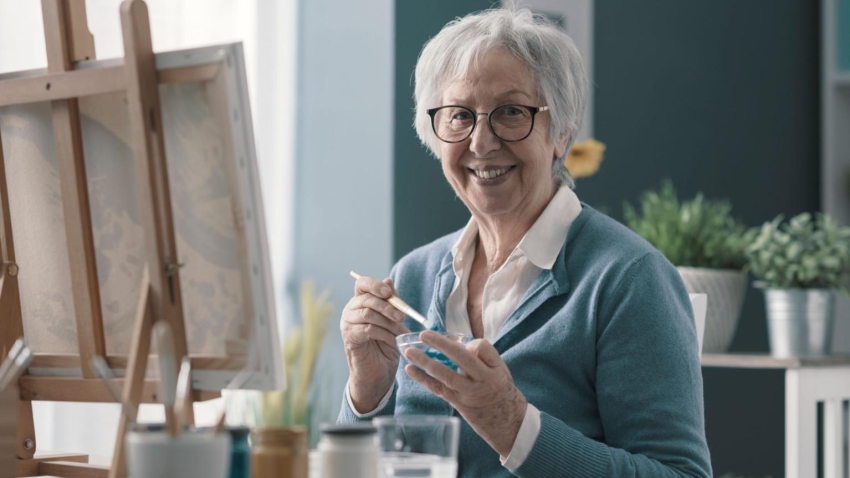
Rediscovering Hobbies in Retirement
When you picture retirement, you probably think of how relaxing it will be, how calm you will feel, and how the stress of the working world will all melt away. However, there’s more to retirement than relaxation. It’s also a huge opportunity to be creative.
It may not seem like it at first, but one of the best parts of being retired is how it can stretch your imagination. For the first time in many, many years, you’ll have time to think about what you’d really like to be doing. When you were working, you probably had opportunities to be creative, but there’s a good chance they were limited to a single field or a specific role. In retirement, a whole new world opens up.
You won’t have to think about everything in terms of career or business goals. You don’t have to focus your actions on climbing the corporate ladder or how they affect profits. You can do things that you enjoy, just because you enjoy them.
Plus, you actually have the time to do these things now!
The Joys of Retirement and Creativity
Everyone has interests and things that they enjoy. Unfortunately, when you’re spending eight or more hours a day working (plus commuting), it can be hard to find the time for the things that bring you joy. Modern life is busy, and between working, running errands, doing chores, and spending quality time with friends and family, there often isn’t much time or energy left at the end of the day.
Retirement changes all of this and gives you the chance to refocus your life based on the things that make you truly happy.
Think back to when you were young. Before you had a full-time job and responsibilities and the stress of adulthood, what were you into? How did you spend your time when you were 30 or 20 or even as a child? There’s a good chance you had more freedom to explore activities and hobbies. Maybe you played the guitar or participated in a sport or spent your weekends painting. Whatever it was that you did back then, retirement gives you a chance to return to those days.
Old Hobbies and Retirement
Children are naturally creative. They build cities out of blocks and rocket ships out of cardboard boxes. They create art and sing songs and write stories. They embrace creativity in their daily lives. Somewhere along the way, many of us put aside this free-flowing creativity and become more focused and practical. This serves us well in our lives and our careers. However, it doesn’t have to continue into retirement.
Of course, that’s not saying that you need to spend your time playing house in a refrigerator box (unless you really want to, of course!), but it does mean that retirement lets you be more creative with your time and head back to a simpler life.
One of the reasons children and young adults are so creative is because they have time. They’re not focused on career goals and rushing around to get everything done, so they can explore their imaginations. You can do the same in retirement.
When you return to an old hobby, you might find that things have changed. Maybe you were a master artist in your 20s, but now painting is a bit tougher, for instance. That’s okay! Try not to be discouraged if your physical capabilities have changed or if you’re just a bit rusty. You’re doing this for enjoyment, not to immediately be an all-time great. Take it slow and focus on what brings you happiness instead of where you struggle.
The Benefits of Returning to Old Hobbies
Now that you have the time, why would you want to return to old hobbies? The primary reason is for enjoyment. If you liked doing something many years ago, there’s a good chance that it will still make you happy today. This is especially true if you stopped participating in the hobby because you lacked the time or energy, not because you no longer found it fulfilling.
However, there are also several cognitive reasons to return to old hobbies. When you take part in familiar yet engaging activity, the process helps reactivate certain neural pathways in the brain. This helps you maintain mental agility, strengthen focus and memory, and reduce stress and anxiety.
The creativity of old hobbies also helps keep your mind sharp and agile, which is crucial as you age. In fact, participating in creative activities can even reduce the risk of dementia.
You can increase the benefits of painting, knitting, board games, art, or many other creative hobbies by adding a social aspect. If you enjoy playing a sport, for example, join a local seniors team. If you like to paint or draw, see if there are any groups in your area where you can socialize and discuss these activities.