Retiring in a Tiny Home
A lot of people downsize in retirement. There are a lot of good reasons to consider it. By this point in your life, your children have moved out, and they’re established on their own, so you might not need to keep the large house anymore. It’s also costly and time consuming to care for a larger home. There are maintenance costs, property taxes, the physical effort required to keep it clean, and everything else that comes with a large home.
So, it makes perfect sense to downsize in retirement. Once you’ve decided to downsize, the questions become “where should you live?” and “how much space do you need?”
When a lot of people think about downsizing and living a more minimalist lifestyle, they think about moving into a tiny home.
What is a Tiny Home?
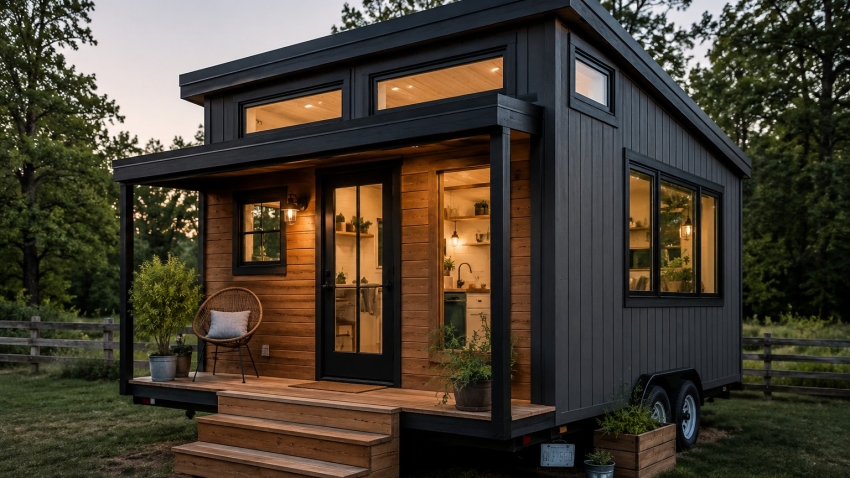
A tiny home is a very compact home, built for every inch to be utilized and nothing to be wasted. Most tiny homes are less than 400 square feet, and some can be as small as 100 square feet.
Due to their small size, they usually have multifunctional elements, like fold-out tables or beds that double as couches. You also need to have storage, which is usually built it and often hidden or integrated directly into the home or its furniture.
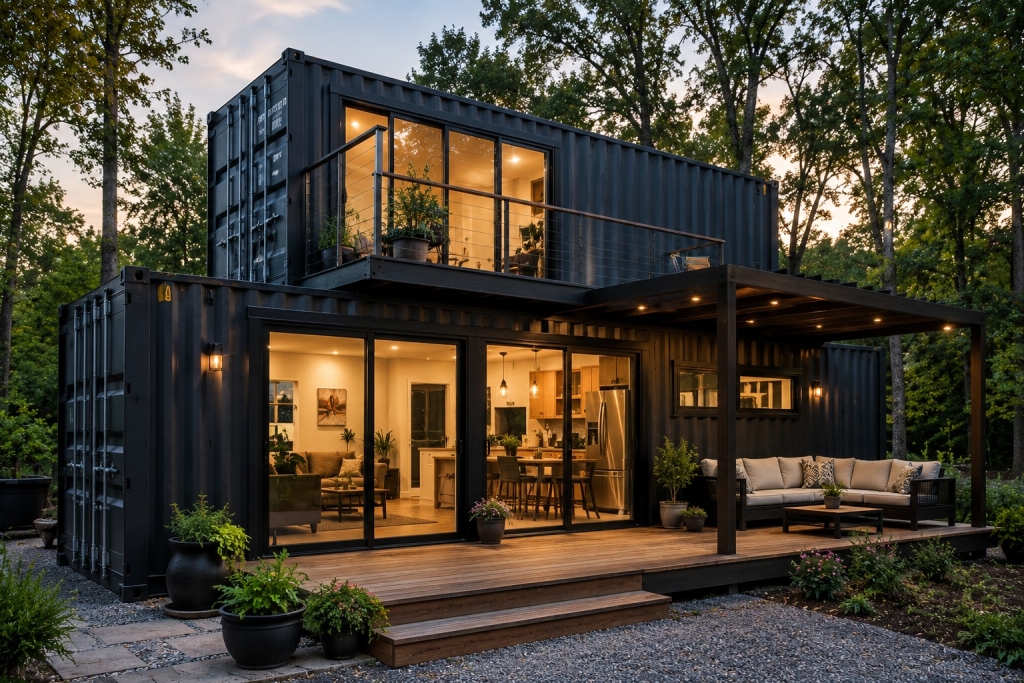
There are several types of tiny homes. Some are built on foundations, while others are on wheels and somewhat similar to a recreational vehicle (RV). There are also prefabrication tiny homes which come in a kit that is shipped to your location, and you assemble it on site. Container homes are a type of tiny home. These are built from steel shipping containers (either new or repurposed) that are converted into liveable spaces.
You’ll find tiny homes all over the place, from dense urban environments to remote rural areas. They’re popular because they cost less to build and maintain than a larger home. They also allow you to live a more minimalist lifestyle, which is something that many retirees crave.
Building a Tiny Home
A lot of people who retire to a tiny home build one themselves (or, more accurately and more often, work with people who can help them build one). There is a lot to consider before you start building and, as always, being prepared helps a great deal.
The first thing to consider is usually the cost. This will depend on the size of your home, the materials you use, and the features you’d like to include. Where you live may also affect the price, since some areas tend to be costlier than others.
While you can get a tiny house for cheaper in certain situations, on average, you can expect to spend at least $30,000 for the home. This is the typical cost for a 100 square foot home, so if you want something larger, it’s going to cost more.
The more customized the home, the more it will cost. Other the other hand, the more that you do yourself, the more you’ll save. A DIY solution can be possible, especially if you have some construction experience. There are also prefabricated options and kits that you can work with to keep costs down.
A professional build will cost more, but it also lets you customize the property more so you can get exactly what you want. Professionals can also take care of permits and making sure everything is up to code, which is critical.
Building codes apply to tiny houses as long as the home is built on a permanent foundation. That means there are rules in terms of minimum ceiling height, windows, emergency exits, building, heating, and electricity. Theses will vary depending on where you live. If you’re building a tiny home on an existing property (such as a second home in the backyard of your children’s home, for example), there are likely rules relating to setbacks, maximum land usage, and other restrictions. You’ll need to consult with your municipality before building to make sure you’re following all rules and regulations.
If you’re building a tiny home on wheels, this might be considered an RV (recreational vehicle), depending on size and where you live. That means you won’t have to follow typical building codes. However, know that some regions prohibit long-term parking and living in an RV unless you’re in an RV park or tiny home community.
Living in a Tiny Home
Your lifestyle in a tiny home will be different from what you have now, if you’re used to living in a larger space. Firstly, the tiny home lifestyle is built around minimalism. When your home is smaller than 400 square feet, you can’t afford to hold onto things that you don’t use regularly. This can be a huge shift, because most people have accumulated a lot of “stuff”, especially if you’ve lived in one house for a long time.
Before you make the move, you’ll want to go through everything you have and trim your belongings down to the absolute necessities. This process can be very therapeutic, as it will help you live a more intentional lifestyle. However, it can also be difficult. We get very emotionally attached to belongings, so you may have a tough time trimming things down.
This isn’t a process that you do just once, either. If you’re not careful, you can start accumulating even more “stuff” even while living in a tiny home, so you’ll need to stay on top of it and keep cutting down the clutter.
Living in close quarters changes your social situation as well. If you have a partner, you probably haven’t lived this closely to them before. There’s a lot less privacy in a tiny home and you may need some time to adapt to the situation.
Your social life may also change, as it becomes more difficult to invite guests over when your living space is much smaller. Many people who live in tiny homes focus on spending more time outdoors to alleviate these issues. However, that will depend on the weather in your area.
Is This a Good Retirement for You?
One of the main things to consider about the tiny home lifestyle is whether or not this is the way you’d like to retire. For many people, it is. The idea of not only downsizing, but living a more minimalist lifestyle is very appealing. You won’t need to deal with clutter. You won’t have to worry about what will happen to all your stuff after you’re gone. By living within your means, you’ll be able to enjoy your life more.
You’ll spend less time cleaning and less money on “stuff” (along with the money you’ll save on maintenance and taxes). This means you’ll probably have more to spend on traveling, hobbies, or just for living your day-to-day life with less stress and worry.
If you find a community of other tiny house dwellers, you’ll also build strong social connections, which is an important part of mental health and happiness. Even if your tiny home isn’t alongside others, you’ll find a rich community online of people in tiny homes who support each other, provide guidance and ideas, and build genuine friendships.
If you live close to family or friends (such in a dwelling on your loved one’s property), you’ll be close enough to have support and care when you need it but still have your own space.
Tiny homes can easily be customized or designed to make them accessible, such as putting everything on one level. This means you won’t have to worry about going up and down stairs as you age.
Of course, it’s not the ideal lifestyle for everyone. However, if you like the idea of living with less and focusing more on what you do than what you own, it can certainly be a good choice. There’s a reason it’s so popular among retirees.