
Homesteading in Retirement
The working world can be very intense. No matter the job, your day is probably packed from start to finish with meetings, projects, assignments, and work, work, work. You might even work evenings and weekends as well. After doing it for 30-plus years, it can get really tiring, even if you love your job.
That’s why so many people look forward to retirement. It’s a chance to slow down and take things a bit easier. These days, many retirees are taking that to mean changing their lifestyle completely.
One way that is becoming more popular recently is homesteading.
What is Homesteading?
The term “homesteading” can mean many different things. In general, it means living a self-sufficient and sustainable lifestyle. This traditionally meant living an “off the grid” life, where you live on a rural property that isn’t connected to the rest of society. However, modern homesteading takes many different forms.
What connects most forms of homesteading is stepping away from consumerist culture and living a simpler life that is self-supporting and less dependent on the outside world.
There are a few things that connect most homesteaders, whether they’re living on a huge rural property completely away from society or just starting out in the homes they’ve lived in their entire lives.
- The first is growing or raising your own food. This means gardening, growing vegetables and fruits, preserving foods so they last longer, and maybe even raising some animals.
- The second is building, creating, or preparing many “mass produced” items yourself. For a lot of people, that means sewing, knitting, woodworking, and baking from scratch.
Every homesteader does things differently and the way you decide to live your life will depend on what you’re willing to do and how far you’d like to take it. No matter what path you choose, homesteading is an excellent way to slow down and remove yourself from the chaos of modern life. It can also help you better connect to nature, the earth, and the realities of how things are produced.
Getting Started with Homesteading
The first thing you’ll need to do is decide how far you would like to take your homesteading. Some people move out to a rural property in the country and plan to become completely disconnected from the modern world. Others practice homesteading activities and chores in their own homes, transforming their daily lives without completely uprooting everything.
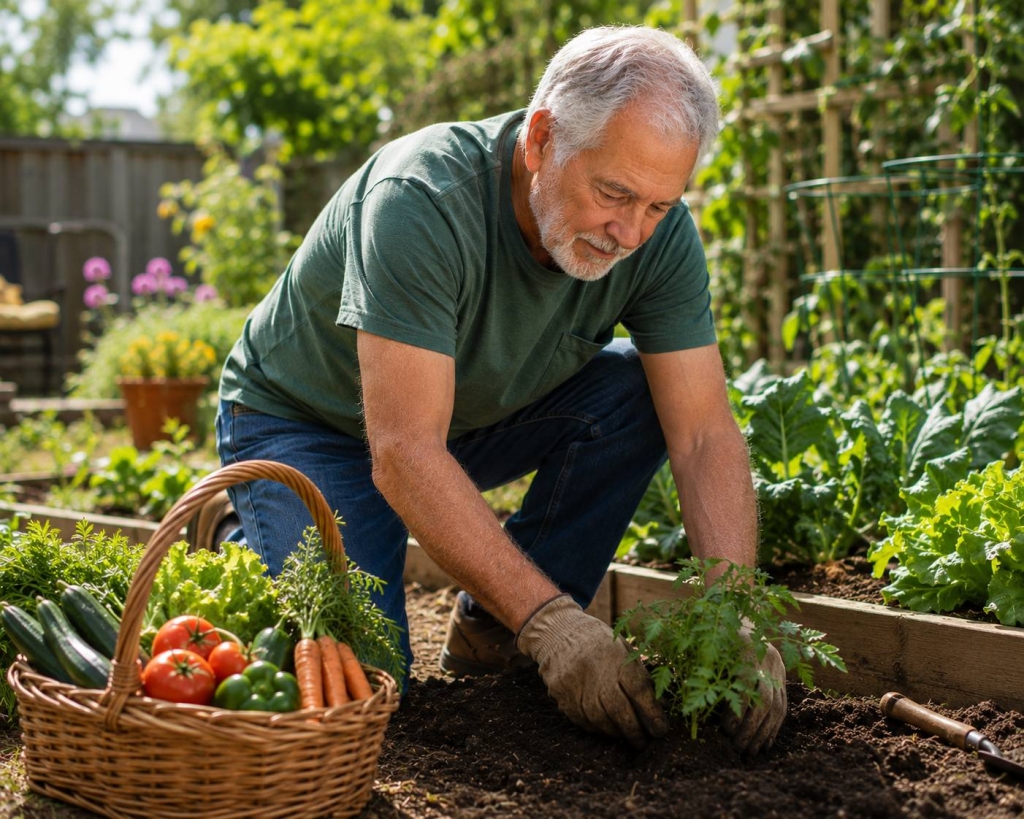
A lot of people start small and then build up as the go. Many retirees start with growing food. If you don’t already have a vegetables garden, it’s the perfect place to start. If you’ve never grown food, you may want to begin your journey with some small herbs, just to get going.
There are also a lot of potted plants you can grow for food. Beets, carrots, tomatoes, peppers, eggplants, beans, and cucumbers can all be planted in pots and grown there. This means you don’t immediately need a large garden or huge plot of land to start living in a more connected and self-sufficient manner.
Depending on where you live, you can probably also grow strawberries, raspberries, blueberries, and other small fruits at home in your garden. Fruit trees are another excellent option if you have the space.
With all these fruits and vegetables around, a common next step is learning to preserve food. One of the best ways to preserve most foods is through canning. This means applying heat to food in a closed-glass canning jar while also removing air to create a seal, which prevents spoilage. Depending on the method you use, canning can be great for fruits, jams, salsa, pickles, tomatoes, beans, corn, carrots, peppers, and many other foods.
Another big part of homesteading is doing more things for yourself and putting together items and meals from scratch. Moving away from commercialization and heading towards doing things yourself has a lot of benefits. The first is the connection you feel. In today’s world, we all go through items and meals like they’re disposable and replaceable, because in many ways, that’s how they’re designed. Homesteading in retirement is an opportunity to build more and do more with your own hands. There’s a sense of pride and purpose you’ll feel when you knit your own sweater or build your own table, which you can’t get from something you buy at a big box store.
Start with the skill that makes the most sense to you, whether it be baking, knitting, woodworking, or anything else. Maybe that skill is something you already have experience with, or it might be the one you’ve always wanted to try. Retirement is your chance to do it.
Things to Watch Out For
While there are a lot of benefits to homesteading in retirement, there are some things you’ll want to watch out for as well. The first is that it can be quite a lot of work. The homesteading world is definitely different from the working world, but that doesn’t mean it’s not difficult. It can certainly be very difficult.
If you commit to living off of your own garden and maybe raising some animals for eggs, milk, and meat, meals can become a lot more difficult and time-consuming than just running out to the grocery store. This is important to be aware of at the outset, before you make massive changes to your lifestyle.
If you decide to raise animals, there are a few other things you’ll need to be aware of as well. The first is local guidelines. Most areas have laws and rules in place regarding the types of animals you can raise, how many you can raise, and whether you can legally butcher animals on your property. You’ll also need to be aware of fencing and housing requirements. Plus, you’ll have to make sure the animals are safe, cared for, and protected from predators and diseases.
The next major can concern can come up if you decide to move to a rural area and disconnect from the rest of the modern world (either partially or fully). Power failures, high winds, floods, or other severe weather can totally cause havoc in your life. You’ll need to have a plan in place to handle these situations.
There can also be significant costs attached to homesteading. While it can save you money in some ways, buying materials, repairing damaged tools or property, and generally running a homestead can cost quite a lot.
Homesteading in Retirement
As mentioned, it’s common to start small. Yes, it’s possible to sell everything you own right after retirement and head out to the country to start a new life (and some people definitely do that), but it’s not the only way to homestead. In fact, you might be able to avoid some of the potential downsides of homesteading by starting slow.
Trying to buy a new property, build a home, acquire and raise animals, and plant fruits and vegetables all at once can quickly get overwhelming (and costly). Starting slow and working your way up is a wise choice for many retirees, especially if you don’t have prior experience farming or living off the land.