
Leaving a Legacy Beyond Financial Gifts
As you get older, you probably start thinking about what you’re going to leave behind after you’re gone. These are natural feelings and everyone wants to pass on some sort of legacy to future generations. A lot of people assume that this legacy must be financial, and it often is. People leave their loved ones financial or meaningful gifts in their wills, or they leave money to charities or other causes that are matter to them. Through these gifts, they’re able to help people and organizations that they hold close in their hearts.
However, financial gifts are not the only way to pass on a legacy.
As you live your life, there are many things that you learn and experience. There are many values that have helped you through life and made you the person you are today. All these things matter. Not only are they important, but they can also be passed on to others to provide comfort, assistance, guidance, or knowledge long after you’re gone.
This is called a legacy is values and there are many ways to compile one.
Your History & Family History
You probably know a great deal about your family’s history. Your parents and grandparents have likely told you where they were born, where they grew up, and what they did with their lives. They may have even told you about older relatives, such as your great grandparents and beyond, even if you never met this.
This information is valuable. So many people find themselves researching their family history in their lives. If you’re able to provide details, information, and maybe even documents that will make this process easier, you’ll be giving them a great place to start. It’s always easier to research your family when you have a least some idea of where your grandparents or great grandparents were born and where they lived. If you know this information, leaving it for curious future generations to recall can be incredibly valuable.
Passing on Stories
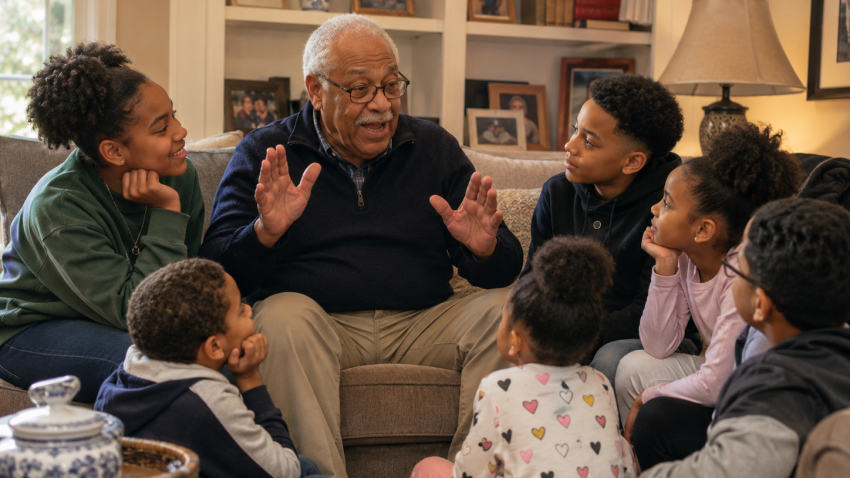
One of the most valuable things you can leave for your descendants is your stories and experiences. These may not seem important to you at first. After all, you’re just telling people how you lived your life and what you did. However, to future generations, these stories are so meaningful.
They can provide comfort during trying times. They can offer guidance or strength. They can be entertainment. They can also help relatives who may have been too young to know much about you connect with you even after you’re gone. For example, if you have grandchildren or great grandchildren who are very young, they might not remember all the times you spent with them or all the stories you told them. That doesn’t mean they won’t appreciate these stories as they get older. If they’re able to read them years and years after you’ve passed, that helps them feel a stronger bond to you and it keeps your memory alive.
Your Values and Philosophies
It’s not just where you lived and what you’ve done that matter. It’s the things you’ve learned and the values and philosophies that got you through life that mean so much. Think of the things that you’ve passed on to your children. You didn’t just tell them stories or where their relatives were born. You also passed down your values, morals, and life philosophies.
These lessons gave them guidance as they got older and advice to help them navigate life, even if you weren’t there beside them at the time. Think about all the times you’ve been at a difficult point in life and thought to yourself about how “my dad always said” something or “my mom believed” something else. These lessons helped guide you at tough times.
You can now pass this information down to others without having to sit them down and have a long talk.
How to Get Started
It can be difficult to get started with your family history or memoirs. A lot of people suffer from “writer’s block” at first and they’re not sure where to begin.
If you’ve kept a journal or a diary throughout your life, this can be a great place to start. There is information in these books that you might have forgotten or that you may only recall after being prompted.
Think back to various points in your life, such as your childhood, your high school days, your first job, your relationships, your wedding, or when your children were born. These milestones will be strongly imprinted in your mind, so you’ll probably have an easier time remembering the stories and the lessons you learned in these moments.
Once you know what you want to include, start writing. You can do this in point-form notes at the start. Don’t worry about how your sentences sound or focus on perfect prose. The key is to get things down, so you have an idea of what you’re going to include.
After you’ve done that, it’s time to organize everything. Stories tend to have a way of weaving around, which can be helpful, but it can also cause you to go off on tangents and stray from the original point. Organization can help solve this problem.
Think about how you want to organize everything. One of the most common ways is chronologically. Talk about your oldest relative first, then the next oldest, then your parents, then you. Do everything in the order in which it happened. This method is great if you have a lot to say and you want it to flow like a story.
However, that’s not the only path you can take. You can also organize by theme or by place or any other method that makes sense to you.
Once you know how the piece will be structured, include points under each section. That will help you stay on track and keep things moving. Images and other documents (birth certificates, marriage documents, etc.) can help liven up the story and better connect the recipient to history, so try to include those if you have them.
How to Leave a Record
A lot of people struggle with the idea of how exactly they’re going to leave a record for their loved ones. One of the easiest ways to do this is to write things down. If you’re planning on writing out your family history or your stories or your values, you can write it yourself using paper and pen. This can give it a real personal touch, and your relatives will appreciate seeing your handwriting years after you’re gone.
However, it can be tough to write that much and handwritten notes can fade with time. The good news is that you can now create professional-grade books, both in physical and digital formats. There are many sites and services that make it easy to self-publish books. These services help you format your work, create title pages and book covers, and have the book printed if you’d like a physical copy. This can quickly become a treasured keepsake that your family will pass down through generations.
Videos and audio recordings can be helpful as well, especially if you’re more confident speaking than writing. Your loved ones will appreciate seeing your face and hearing you speak, so don’t worry about everything needing to be perfect. However, you do need to pay attention to formats. If you want to deliver these digitally, know that audio and video formats change as technology advances, so what may work well today, might be difficult to access in the future. The same is true for physical media. It’s already quite tough to play CDs or DVDs right now, so the future may not be kind to these technologies.
If you’re using a digital format for your writing, video, or audio recordings, make sure you download it and store it on local media. Back it up in several places just in case. Storing things on the cloud can be great as well, but there should be local versions in addition to cloud storage, in case the company storing the files ever shuts down.
Leaving a legacy doesn’t have to mean a financial gift. By sharing your experiences and history, you’ll be able to give something to future generations that will keep you in their minds forever.