
Traveling the World in Retirement
Wanting to travel is a common retirement goal. However, when some people say that they mean “road trip a few hundred miles away” while other people have loftier ambitions. Sometimes you don’t just want to travel to one or two places in the world, you want to travel around the entire world!
This is truly the ultimate trip and one that will have be worth the wait. You’ve worked your entire life and now you want to celebrate in an unforgettable and life-changing trip. Of course, going on a trip around the world is exciting, but it can also feel overwhelming. This isn’t just a single two-week trip. It’s significantly more than that.
However, if a trip around the world is something that you’ve always wanted to do, don’t all yourself to get intimidated. With some planning, budgeting, and understanding of the process, you can see the world without stress, panic, or confusion.
Trips for Planning a Trip Around the World
The first thing to wrap your head around when you’re planning to travel the world is that you’re not booking a series of individual trips. Picturing the process as “planning 15 trips” seems exhausting and overwhelming. Of course, you’re also not just booking one lengthy trip. No, a trip around the world is something different and it’s a mixture of planning several trips and planning a lengthy trip.
That means logistics are incredibly important.
For most people, a trip around the world means starting in on place then heading either east or west until you return to where you started. That doesn’t mean you should always travel in a straight line, of course. There are probably certain countries or cities that you’ve always wanted to visit. Make sure you note these places and consider them your non-negotiables. These are the designations you absolutely want to hit.
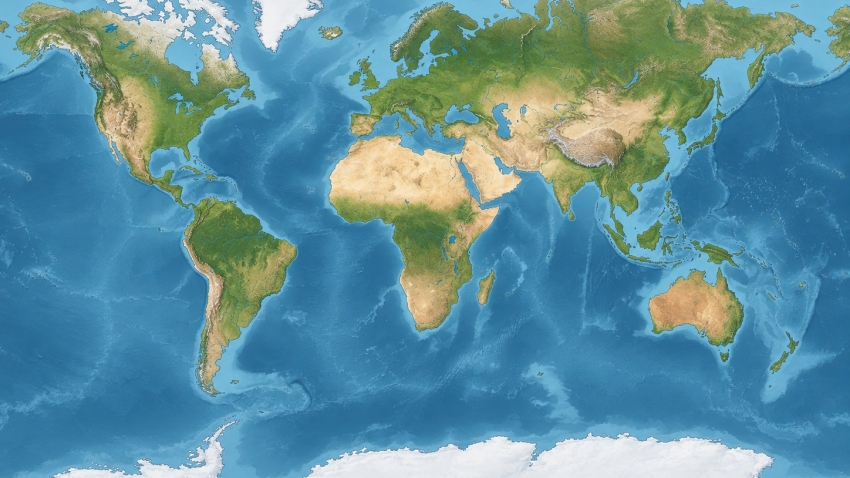
Once you have those in mind, plot them on a map. This will give you a rough idea as of what your route should look like. Of course, that doesn’t mean you need to only visit these cities. Some of the most rewarding parts of an around the world vacation is when you head to a smaller place that wasn’t on your bucket list and find some hidden gems.
Planning your actual route will depend on your budget, the length of time you’re able to travel, and your interests. You can technically do a trip around the world, stopping in three or four different places, in a few weeks. However, if you’re retired and have more time, this could be a great opportunity to go on a larger adventure.
If possible, try not to rush through the trip. There are a lot of benefits to “slow travel”, where you spend more time in an area and aim to experience it like a local, rather than hitting the big sights as quickly as you can. If you’re able to extend the trip, spending more time in each destination can be very rewarding. Some people choose three or four “home bases” on their vacation, then take day trips to nearby areas so they can experience more variety.
Of course, your budget also matters. That won’t just dictate what you can do and where you can go, but it will also affect the length of your trip. Be realistic with your budget and watch for ways that it can creep up without you noticing. For instance, spending an extra $20 a night on a higher-end hotel might not seem like a big deal, but if you’re also spending an extra $10 here and an extra $30 there, the costs add up.
You don’t just have to budget for travel and accommodations either. Remember to factor in food costs, entertainment, and transportation when you’re in the destination.
Once you have your budget and your timeframe, it’s time to start planning. First, determine how long you’d like to spend in each of your core destinations and how much time you’ll spend traveling. Then, work in some smaller stops that are nearby or along the way. Where you go will depend on your interests. Some people love seeing historic sights while others are more interesting in food, for example. Use your interests (and your budget, of course) to guide your planning.
Why Travel the World?
For people who love to travel, this question has an obvious answer. However, if you’re someone who has only taken smaller trips before or gone on more traditional two-week vacations to a single destination, you might be wondering what you can get from a world-wide trip.
The first is the variety of culture you’ll experience. Seeing new places, visiting new sights, and meeting new people can be incredibly enriching. This is great for your mind as well, as building social connections and experiencing new things can help reduce your risk of cognitive decline as you age.
Also, from a more practical standpoint, if there are three or four travel destinations you’ve always wanted to visit, it can often be less expensive and more efficient to see them back-to-back-to-back, rather than planning several individual trips, since the traveling distance is shorter.
Points to Watch Out For
As mentioned, logistics are very important when you’re planning a trip around the world. That means how you travel and the route you take, but it also means keeping a keen eye on some important details.
The first (and most important) is healthcare. If you’re going to be away for a long time, you need to make sure that your health needs are taken care of. If you take prescription medication regularly, talk to your doctor about your trip and see if they can give you additional medication to get you through. Know that some countries will have regulations in place for bringing medication into the country, so make sure you follow them. You should also check in advance to see if you’ll be able to get these medications during your trip, in case you run out or your luggage is lost.
Health insurance is important as well. You don’t want to end up in a foreign country and need medical help without insurance. Talk to your insurance company about their offerings or get medical insurance from a travel provider. The amount of coverage you need will depend on your situation.
Keep your mobility and energy needs in mind as well. You might be able to handle physically demanding travel or adventures (like hiking or long bike rides), but you should also factor some recovery time into the schedule, just in case.
Look for ways to save money while you’re traveling. One of the best ways to do this is to time things so that you’re traveling away from peak times. Since you’re retired, you likely have some flexibility in your schedule, so take advantage of that. Know that, especially in certain destinations, peak times are peak times for a reason. There might be weather concerns or other things to know about during certain times of the year. You may not want to visit a region during a time when large storms or likely, nor will you want to be there when it’s excessively or cold.
One of the most important parts of a trip around the world is to be adaptable and appreciate that not everything will always go the way you wanted it to. If you’re the type of person who likes to plan and set a schedule, this unpredictability can be difficult. However, if you learn to “go with the flow” and take things as they come (within reason), a trip around the world can be a truly enriching and wonderful experience. It’s the perfect way to celebrate your retirement, whether you’re traveling with your partner, a group, or by yourself.