
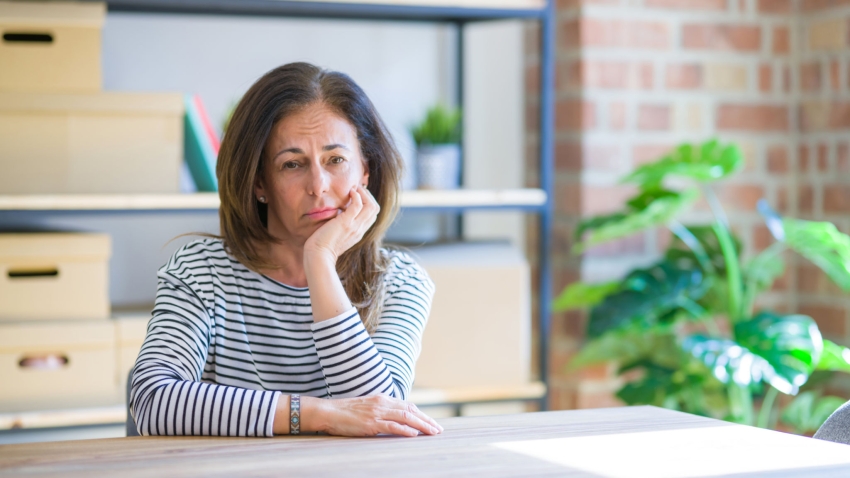
The Psychology Of Feeling “Unproductive”
You’ve been planning your retirement for a long time, and that doesn’t just mean saving money and investing. It also means planning for how you’re going to spend your retirement. Maybe you dream of traveling the world, or looking after your grandchildren, or finally learning how to play golf.
Now that you’re retired, you might be finding that it’s not the nonstop adventure that you hoped for. A lot of days you just sit at home and maybe run some errands. Is this an unproductive retirement? Are you wasting your time? Should you feel guilt about it?
A lot of people do, but that doesn’t mean you should.
“Sitting around” doesn’t have to be a negative. People need rest, time for themselves, and moments of self care. It’s also important to always remember that your retirement is for you. You don’t have to live up to what anyone else is doing or what anyone else expects from you.
You’ve worked hard your entire life, and you deserve to have this time to relax.
Why People Feel Unproductive in Retirement
When you’re retired, you might enjoy catching up on TV, reading books, and generally staying around the house. Maybe you don’t have the desire to go on any great adventures. If it’s what you want, why do you have this nagging feeling that you should be doing something “better?”
For a lot of people, it’s because of the nature of their work. You spent 30-40 years getting things done. Every day you had goals that you wanted to achieve. Some of them were big, like finishing a large project or even saving money for retirement. However, there were small ones too: getting to work on time, making meals for your children, fitting in free time in the hours you had left at the end of the day. When you stop working, the number of things you have to achieve drastically decreases. This can feel very strange.
What also feels strange is just generally having more time. For most of your life, you had a few hours each day and the weekends to live your personal life. Now, you have significantly more time. A lot of people feel unproductive because they’re used to rushing around and trying to get everything done in a limited window. Retirement gives you much more time, so accomplishing the same things happens without the rush and stress. That might leave you feeling like you’re not doing enough.
The lack of structure can be confusing for your brain. For many retired people, time feels a lot more aimless when you’re no longer working, which leaves you feeling like you’re not doing enough.
There’s also the loss of identity. For your entire working life, you’ve identified yourself by your job and, at least partially, gained self worth from achieving work goals. Without work, a lot of people feel lost or like they’re not achieving anything.
Is an Unproductive Retirement Bad?
Having an unproductive retirement doesn’t necessarily have to be a bad thing. One major thing you can do to feel better about your situation is to reframe what productivity means to you. When you were working, there’s a good chance it meant achieving work goals or accomplishing monetary milestones. Now that you’re retired, that mindset needs to change.
In retirement, productivity is based around bringing yourself happiness and joy, not on how many tasks you can complete. Think about your situation. If you’re spending your days relaxing and reading books, are you enjoying your time? Do you feel happy and fulfilled? If you do, then you’re not living an unproductive retirement. You’re supposed to be spending this time making yourself happy.
However, if you’re not happy with how you feel in retirement, there are things you can do. One of the most important is to find a new purpose. Your work won’t be your identity anymore, but something else could be.
Sign up for a class, learn something new, or embrace a new hobby. This will give you something you can do regularly and that can really help you feel like you have a purpose. Consider teaching, volunteering, or offering consulting services. Giving back to your community or sharing your expertise with others can be very meaningful and help you feel productive.
No matter what you do, it’s important to stay active, both physically and socially. Physical activity and having strong social connections are crucial to your overall health. Whatever you’re doing with your retirement, make regular plans to see friends and family and go for walks or do other physical tasks to keep your mind and body strong.