
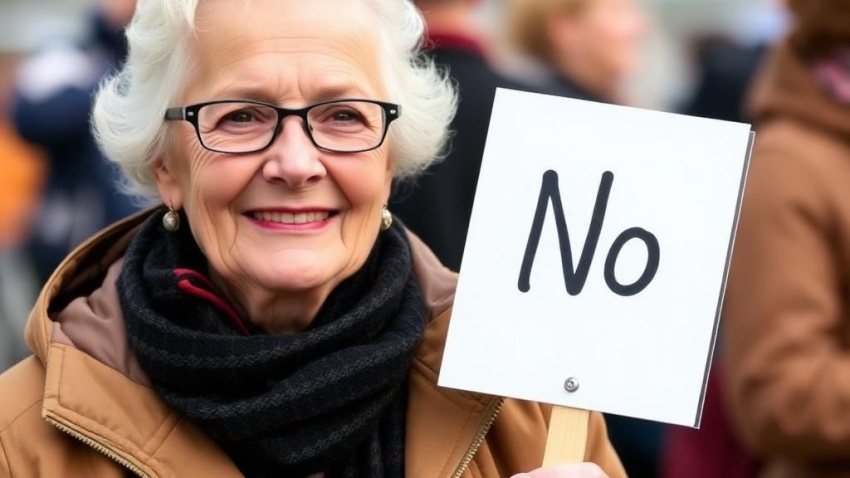
The Importance of Saying No in Retirement
When you first retire, it might seem like you’re going to have unlimited time to do whatever you want. Now that you’re free from spending eight hours a day in the office (plus commuting), you can do whatever you want all day long, right?
For a lot of people, the reality is very different. The issue is that many other people in your life may think your time is unlimited as well. If you’re not careful, family commitments, social obligations, and volunteering requests can quickly get overwhelming.
If you don’t get used to saying no in retirement, your days quickly fill up. What’s worse is that, if you’re not careful, your calendar can get booked with functions and obligations that you don’t actually want to attend.
The underlying issue is that it can be more difficult to say “no” in retirement than it has been at other points in your life.
Society is very much focused on the importance of work. If you were invited to a dinner and declined saying that you had to work late, no one would question you. The same is true if you said you couldn’t stay out late because you have work in the morning. Now that you are no longer in the work force, some people expect you to always be available.
However, the truth is that learning to say no is a vital to enjoying your retirement.
Why Saying No Matters
A lot of people believe that saying no is rude. After all, if someone invites you over or asks you to go out with them, it feels mean to say no, especially if you’re free, right? That feeling is understandable. No one wants to let down the people they care about.
So, you say yes, and you spend your evening at dinner or your weekend driving to visit your friend. That’s what retirement is all about, right?
That’s not necessarily true. Remember, your retirement is about you. Yes, you obviously want to spend time with friends and loved ones, and you probably have hobbies and volunteer commitments that matter to you, but you don’t want to let them monopolize your time. You should be able to spend your retirement doing the things you want to do.
Of course, sometimes those things will be having dinner with others or visiting friends, but other times you’ll want to drink tea alone on your porch, spend the day in your garden, or catch up on a TV show. That’s not selfish or rude, that’s enjoying life the way you want it.
Everyone needs to say no sometimes. Even if your day is completely free, even if you love seeing your friends or volunteering, there will be times when you just want to stay home and recharge. That’s normal. That’s healthy. That’s what you should do. So, you should learn to do it.
How to Say No
A major reason why a lot of people don’t say no more often is because they’re worried about sounding rude. This is why it’s important to learn to decline invitations politely. Start by kindly telling the person that you appreciate their invitation. This begins the conversation in a positive place.
Keep your answer firm and consistent. It might feel more comfortable to say “I’ll try to make it”, but that just sets up future disappointment. Instead, be honest and say that while you appreciate the invite, you won’t be able to attend.
If you’re asked for a reason, there’s nothing wrong with saying “I have other commitments” or “I’m focusing on my personal time now.” If those statements don’t feel natural to you, you can always say something like “I’ve been really busy recently and I need some rest.” Be honest and avoid making excuses.
You can then steer the conversation into a happier direction by ending with an alternative plan, if you’d like. If you’re declining a dinner invitation for this weekend, for example, suggest something else you can do. Say something like “I can’t come this weekend, but why don’t we have coffee next week?” Of course, only offer alternative plans if you want to meet them.
The Benefits of Saying No in Retirement
Once you get used to politely saying no, you’ll quickly see the benefits. The first is that you will gain more control over your time. Even though you’re not working, time is still finite. There are only so many hours in the day. You should be spending it doing the things you want. Don’t say yes to everything because you’re worried about seeming rude, worried about missing out, or worried that you “should” attend. Spend your time the way you’d like.
You’ll also have more energy when you’re giving yourself chances to rest and recharge. This won’t just improve how you feel physically, but it will also boost your mental wellbeing. Finally, there’s your budget. Your retirement savings are meant to last you for the rest of your life. If you’re spending money attending events and functions you don’t really want to attend, now you won’t have this money for the things that truly matter. When you’re thoughtful and choose events with care, you’ll have an easier time managing your budget and your social battery. In short, you’ll have a happier retirement.