
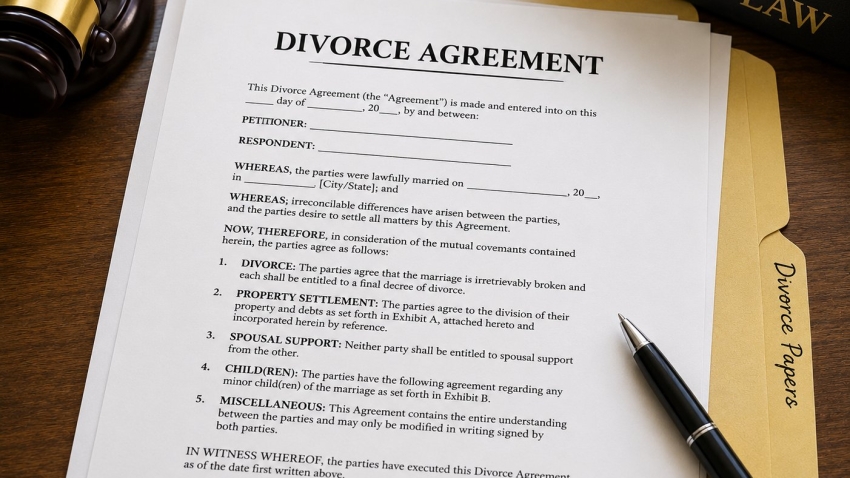
Retirement and Divorce
Retirement is a big life change. You might think that it’s a simple step at first. After all, you’re just going from working to not working, right? How much could it really change your life? The truth is it changes things a lot.
Your routine is different, your purpose in life is different, and many things about how you live your life (and even how you picture yourself) change. Another change that happens around this same time is people re-evaluating their lives… and their relationships.
Divorcing later in life is much more common now than it once was.
There are a lot of reasons for this. The first has nothing to do with work at all, it has to do with children. Many couples stay together for the sake of their young children or because they don’t want their children to live in two separate homes with split custody. Once these children are adults, their parents may feel more comfortable divorcing.
Other reasons are related to work. For instance, a lot of people (women in particular) who are approaching retirement realize that they are in a strong position financially, so they’ll be able to live on their own if they choose.
In other cases, a person develops a strong sense of individuality during their working years and realizes their worth as a person. That could make them finally be willing to leave their relationship.
There’s also the fact that, when you retire, you naturally have more time for your own hobbies and interests. Sometimes couples come closer together in retirement, but others realize that they want different things when they get to retirement age.
Whatever the reason, divorce in retirement can feel liberating, but it can also come with its own challenges.
Dealing with Divorce in Retirement
Whether you were the one who initiated the divorce, whether it was a mutual decision, or whether you were blindsided by it, there are setbacks, issues, and struggles that you will need to overcome.
One is obviously the emotional impact.
Even if your relationship was something that you wanted to leave, ending a long-term partnership has an emotional effect. Your life changes. Your routines are different. Your living arrangements might change as well. Everything about your life will change in at least some way. There will be a lot of things to adapt to and a lot of feelings to process.
In addition to coping with going on without your partner, there are also friendships and social attachments that will change. A lot of couples share groups of friends. If you had been married a long time, there’s a good chance that many of your friends were close to both of you. When you get divorced, this can be an awkward or stressful situation.
However, amongst all the emotions, there are also the financial aspects of splitting up. This usually refers to two things: your current assets and what you have built up over your time together, and your future financial picture.
Depending on how long you have been married, you’ve likely built significant assets together. This includes your bank accounts, your investments, and pensions. You will also need to decide what to do with your home. The asset division process can be complicated and working with professionals can be a good idea for this reason. However, there are costs associated with lawyers, accountants, and financial advisors, so this can put additional strain on your wallet.
One reason retirees may be apprehensive about divorce is because of their future financial situation. Many couples stay together because they fear they won’t be able to make it on their own financially. This situation can be heightened in retirement since it’s more difficult to build your assets up again when you’re out of the work force.
There’s also good chance you’ll need to share at least some of your retirement savings with your former spouse, depending on your situation.
Moving Forward
It makes sense to worry about whether you can afford divorce at your age and stress about if you’ll be able to fund your retirement on your own. However, planning can help ease your anxiety and set you up for a strong financial future.
The first thing you’ll want to be aware of is how assets are divided during a divorce in your state. Nine states divide marital property equally in a divorce. These states are California, Arizona, Idaho, Louisiana, New Mexico, Washington, Wisconsin, Nevada, and Texas. This means that all property, income, and debt acquired during the marriage is seen as being equally owned by both spouses. However, even in these states, it doesn’t automatically mean you’ll lose half of everything.
Assets that were yours before the marriage and assets that were given specifically to one spouse (such as an inheritance or gift) are considered separate.
Most states, however, use common law principles during a divorce. In short, this means you and your former partner will have the right to divide up your assets and property between the two of you on your own, as long as the court considers it to be fair and equitable. In these cases, property you owned prior to your marriage and assets that were given directly to you remain yours.
In both situations, you may need to sell some assets to divide them. For most couples, this means the family home. This can be a tough situation because many retirees count on having their home to retire in. The most common scenarios here are one spouse “buying out” the other spouse and retaining the home, one spouse giving up other assets in exchange for keeping the home or selling the home and splitting the money earned from the sale. What you decide to do will depend on your financial situation and how you and your spouse can work it out.
Another major factor is retirement accounts. Individual Retirement Accounts (IRAs) and 401(k)s have a single account holder, so you own yours and your former spouse owns their account. However, depending on the state that you live in and your overall financial situation (such as which assets you own), you may be required to divide these assets. There may also be tax consequences if you do this. Pensions may also be considered a shared asset, if you contributed to it during the marriage.
During the divorce proceedings, you will be required to calculate the value of these accounts, and they will often be considered part of your assets.
Your Retirement Finances After Divorce
No matter the situation, divorce will likely affect your financial plan in some way. However, many retirees would rather deal with the implications than live in an unhappy relationship, which makes a lot of sense. It is possible to get back on track with financial planning, even in retirement. This might mean selling some of your assets to raise additional money, for example. Many retirees find that they don’t need a car in retirement, for instance. If you own a vehicle, you may want to consider selling it and using public transit, taxis, or ride sharing services as needed.
Another option is to downsize your home. Even if you’re able to keep your home in the divorce, you may not want to. This is especially true if it’s a larger home. Now that your adult children have moved out and you’re living on your own, it can be much more practical to live in a smaller property.
If you end up leaving the family home due to the divorce, consider how much space you really need and even where you would like to live. Now that you’re retired, you may not need to live in a central location, since you won’t be commuting to work. This could be a good time to move to a more affordable area. Downsizing or moving to a different area won’t just affect your direct housing costs, but you’ll likely save money (and time) on maintenance, taxes, cleaning, and more.
In general, you’ll want to look at your budget and see where you can make changes. The amount you can cut from your weekly or monthly budget will directly help you afford life’s expenses, so that it becomes possible to retire comfortably even after getting a divorce.