
Unpacking The Latest Retiree Wellness Trends
You probably think of retirement as a time to relax and enjoy yourself, but have you considered dunking yourself into an ice-cold pool instead? That isn’t a joke. It’s part of a wellness trend aimed at improving longevity.
Yes, swimming in cold water can potentially help you live longer. In fact, there are a lot of health benefits you’ll want to consider.
The first is immune system support. Cold water swimming can help your body produce more white blood cells. These protect against infection, bacteria, viruses, and foreign substances. This can reduce your risk of infection, keep you from getting sick, and help you fight off illnesses.
Cold water also causes your blood vessels to constrict. When you’re in cold water, your blood moves toward your core to maintain your body temperature. This can reduce your blood pressure and help improve circulation.
Another benefit is that immersing your body in cold water can help reduce inflammation and muscle soreness. As we age, we often experience more aches and pains. Cold water swimming can serve as a natural painkiller, which helps make day-to-day life easier.
Of course, all the benefits of general swimming also apply to cold water swimming. It’s a low impact form of exercise; it allows you to move your entire body, so you build muscle and stay flexible; and it can be a great social activity.
Cold water swimming is just one of the latest retiree wellness trends aimed at boosting your health, boosting your mood, and improving your quality of life.
If you don’t feel like jumping into ice-cold water (or even if you do, and you’re looking for some other activities to go along with your frosty swim), there are many other retiree wellness trends to consider. Some of them may seem a little out there, but retirement today looks very different than it did 20 or 30 years ago.
Extreme Sports
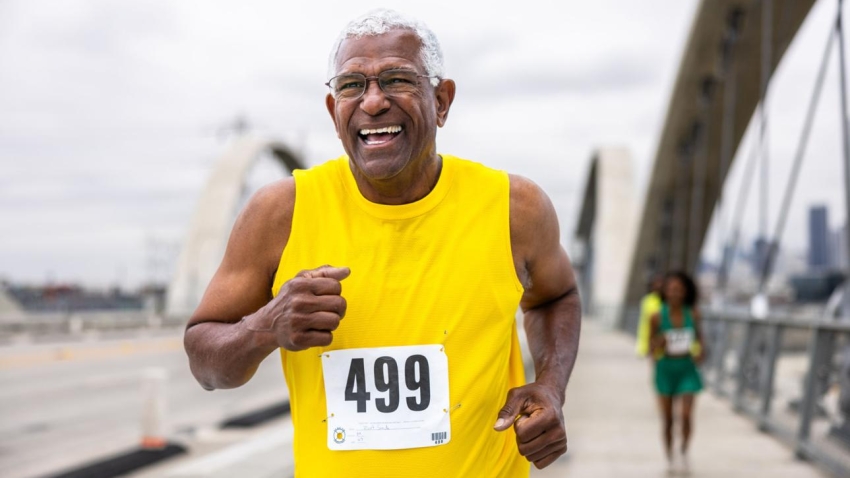
You might not think of “extreme sports” when you think of retirees, but more and more people are. There are increased numbers of retirees trying their hand at skydiving, bungee jumping, scuba diving, marathon running, and a variety of sports that would be labeled “extreme” by many.
It’s not just for thrill-seeking reasons either. There are many health benefits to these activities. They can improve your heart health, increase your range of motion, strengthen your muscles, and boost your mental health and wellbeing at the same time.
One of the biggest benefits is that these activities are often surrounded by a very supporting an engaged community. When you start getting into a more extreme hobby, you’ll quickly find kinship with others who participate. For a lot of people, these aren’t just sports that you do occasionally, they’re a part of your lifestyle. This is incredibly beneficial for seniors.
Time spent socializing and talking to others can greatly improve your mood. Social situations are also mentally challenging since you need to listen to what others are saying, interpret it, and respond. By joining a community focused on extreme sports, you can form strong social bonds while pushing yourself physically.
Wellness Travel
Retirees have always traveled, but modern trends make these trips a lot different than they used to be. Today’s retirees aren’t just relaxing at resorts or lounging by the pool. Instead, they’re making their trips about physical and mental wellness along with a side of adventure.
One popular type of travel is the health and wellness retreat. These trips are designed to promote physical and mental wellbeing. They often feature workshops, nutritional counselling, yoga and medication sessions, and other activities aimed at holistic health. It’s less about seeing the sites and more about caring about your body and mind.
These travel experience happen all over the world. You can visit a wellness retreat that’s within driving distance of your home or you can head to the other side of the planet if you’re able and interested. They can be an excellent way to nourish your mind and body while experiencing something new.
Longevity Diets
There is considerable focus these days on eating a diet that doesn’t just taste good, but that helps improve your health and maybe even extend your life. Rather than focusing on “anti-aging”, these diets are more about improving the quality of your day-to-day and helping you stay healthier for longer.
There are many different diets that focus on longevity and improved health. Two of the most common are the Mediterranean diet or the DASH (Dietary Approaches to Stopping Hypertension) diet. These diets typically focus on eating legumes, nuts, seeds, lean proteins, and healthy fats while avoiding many processed foods.
However, many retirees take this a step farther and focus on “biohacking” their diets. This means making strategic changes aimed at improving cognitive function and extending your life. One popular technique is using intermittent fasting techniques. This means alternating between eating and fasting periods each day. Many of these diets involve going 15-16 hours without eating and eating all your meals during an 8- or 9-hour period.
Fasting in this way can shift the way your metabolism functions, helping lower your blood sugar, improve your blood pressure, and reduce inflammation.
Using AI and Technology
There’s a stereotype that older people don’t understand technology. However, these days, that could not be farther from the truth. Today’s retirees are increasingly using technology to help improve their overall health.
One of the most common ways to use tech for wellness is through wearable devices. Gadgets like smartwatches and other wearable tools help you track your heart rate, physical activity, sleep quality, and more. You can set goals, track your athletic performance, and much more. Many also offer fall detection and can detect changes in behavior or health and even offer warnings when there is a potential health issue.
Artificial intelligence and virtual assistants are also common. They can help you with reminders and scheduling, meal planning, and general wellness.
It’s important to note that AI tools can support wellbeing, but they should not replace human connection or human thought processes. Having a strong, flexible mind is important. This means using your mind to think through scenarios, solve problems, and engage in social situations. There is a risk to letting AI and other tech tools handle too many of these tasks. The biggest benefit comes from finding ways to use these technologies to complement your real-world health routines.
The Goal of These Retiree Wellness Trends
One connection between these activities is that modern retiree wellness trends aren’t necessarily focused on anti-aging. There was a time not that long ago when nearly every trend was focused on looking younger. While there is still some aspect of that in today’s wellness trends, it’s not the main focus. Instead, retirees are airing to be proactive about their overall health and happiness. The goal is less “I don’t want wrinkles” and more “I was to live longer and have a healthier life.”
That means looking for activities that provide health benefits, such as strengthening your heart, improving your range of motion, or increasing your ability to focus rather than putting your efforts into looking young. This is a significant change among retiree wellness trends. No longer is the goal to seem like a younger person, it’s to live the best life you can at the age that you are.
While the methods some retirees use are unusual or unexpected, the focus on getting the most of your retirement years is a universal goal and one that can vastly improve how you age and how long your retirement lasts.