
Fostering and Working with Animals in Retirement
One of the most difficult parts of retirement can be trying to find your purpose. You’ve spent most of your life with a relatively clear purpose. This was often related to parts of your personal life. For instance, if you had children, one of your life purposes was to raise those children to adulthood. While you will always be a parent and your children will always be a priority, a lot of seniors feel like they are no longer needed when they get older. Their children are established and they have their own lives.
Work also provides you with purpose. Most people identify with their jobs, and they use their jobs as a way to structure their lives. They know what they’re doing at work, they know what they’re good at, and they take meaning from their jobs. Once you stop working, it’s common to feel like you no longer have a purpose.
Finding your purpose in retirement is challenging but it’s ultimately the way to have a successful retirement. One way to do this is by adopting or fostering senior pets.
Adopting Senior Pets
Senior pets are older pets that are looking for a foster home or an adoptive home. These aren’t puppies or kittens, but instead older animals who are looking for someone to care for them as they are. This is very important since older animals are often neglected or ignored. Young families and children naturally gravitate towards younger animals since they are more energetic and have a longer life in front of them. By caring for an older animal, you are helping one who may have otherwise been forgotten.
There are a lot of good reasons to adopt or foster a senior pet, beyond giving the animal a chance at a happy and fulfilling life.
The first is companionship. A lot of retirees feel lonely or disconnected from the world when they retire. It’s hard to leave work and many of your social connections behind. Having an animal to bond with and care for makes a huge difference. Humans and animals form strong connections with one another and, while you’ll be caring for the animal, they’ll also be doing a lot for you.
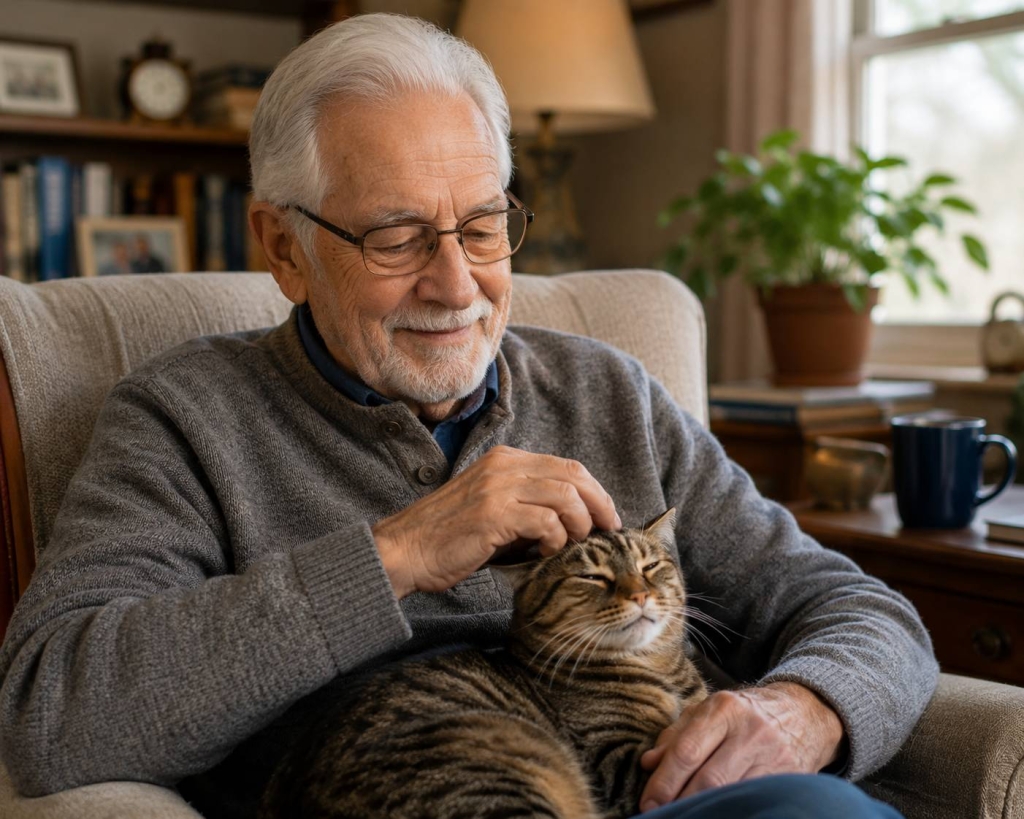
It’s been shown that having a pet can be great for your mental health. They provide constant companionship and that reduces loneliness and isolation, which are unfortunately common in retirement.
Daily interaction with a pet has been found to be calming and relaxing as well. It reduces anxiety and agitation and helps you stay emotionally fulfilled. There are even studies that show that animal care can help reduce your risk of cognitive decline.
Pets can also be an excellent way to meet new people. If you’re walking your dog, for example, you’ll probably meet other dog owners in the park or along your walk. This gives you a chance to talk to others and even potentially expand your social circle. You’ll always have something to talk about with other pet owners!
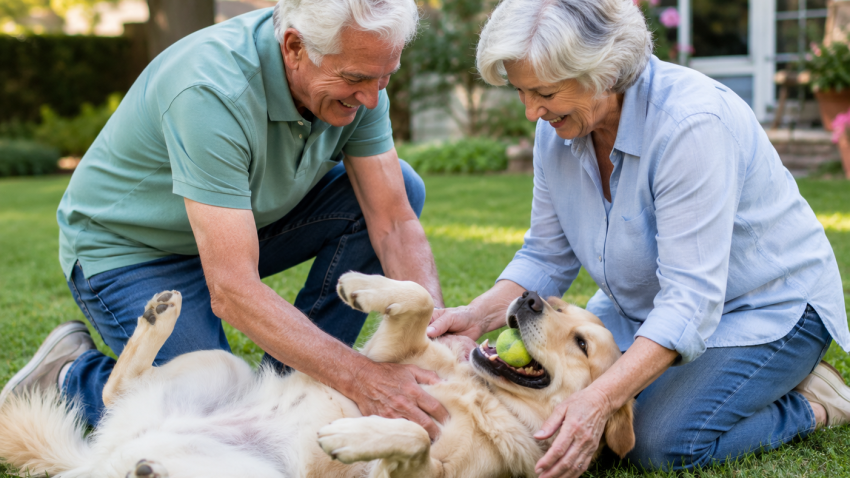
You’ll also receive more frequent mental stimulation while playing with your pet and they’ll keep you physically active as well. Whether you’re taking a dog out for a walk, throwing a ball for them to retrieve, or playing with a cat, you’ll stay mentally and physically engaged more often if you have a pet.
Senior pets can give you the perfect amount of exercise and stimulation too. Since they’re older, they likely won’t be as energetic as a puppy or a kitten. This doesn’t mean they won’t still enjoy playing and exercising, but it does mean they’ll probably need less of it. That can be perfect for retirees.
Older pets are usually more reserved and calm as well, when compared to the more excitable and rambunctious younger years. This means they’ll probably be gentler and more willing to go with the flow and adapt to your lifestyle and pace.
The Emotional Aspects of Senior Pets
Of course, since senior pets are older, they have fewer years left to live. That means you won’t have as many years with them as you likely would with a younger pet. This can be incredibly rewarding, as you can feel good about giving them a good life for their remaining years.
However, there is also an emotional and sometimes physical toll associated with caring for a senior pet. The first and most obvious is that you will likely need to perform end-of-life care. As pets age, they require different care compared to younger animals. Your goal switches to ensuring their comfortable, well loved, and that their needs are taken care for.
Often older animals have medical needs which you’ll need to meet. This might be following a special diet or ensuring they get exercise that fits with their physical condition. It might also mean more frequent trips to the vet. These visits are time consuming and they can also be costly. You’ll need to keep these facts in mind if you decide to adopt or foster an aging pet. Before you take on an elderly animal, make sure you understand the time commitment as well as the financial aspects. Talk to the organization you adopted your animal from about possible costs and set a budget to make sure you can afford the vet bills and other costs that could come up. You don’t want to put yourself in financial hardship.
There is also the fact that you may have to watch an animal that you love struggle physically or mentally. It can be hard to emotionally cope when your pet is no longer able to go up stairs or walk comfortably, for example. You’ll need to prepare yourself for these changes and plan for how you will handle them if they arrive. The truth is that it’s difficult to watch an animal in pain or discomfort, especially one that you’ve cared for and who means a lot to you. It requires you to be emotionally strong. Having a strong network of people to talk to can help you get through these very tough moments.
You will probably also have to say goodbye to your animal at some point. This can be very hard to do. One way that people who work with older animals deal with these emotional challenges is by remembering that they’re helping the animal have the best life possible. By giving a senior animal a comfortable life filled with love, you’re doing a great service, and it is something that you should be very proud of. You will deal with the difficult emotions of saying goodbye to an animal you love while knowing that you gave them a life free from pain and neglect.
Getting Started with Older Animals
You don’t need to jump right into adoption or foster care right away. There are many humane societies, shelters, foster care networks, and even veterinary hospitals where you can get started working with older animals.
These groups frequently look for volunteers to take dogs for walks, socialize with animals, and provide companionship. You may want to start by dedicated a few hours a week to helping senior animals. Even a smaller time commitment can be incredibly beneficial to the shelter and to the animals themselves.
Depending on where you live, there might even be dedicated organizations that focus on the needs of older pets. Start by looking around for organizations and asking them what sort of help they need. This can be an excellent way to connect with animals and assist without immediately committing to a long-term or full-time adoption or foster program.
Once you’ve worked with the group for a while, you may be inspired to go further. However, even staying at this level can be very meaningful and beneficial.