The Joy of Slow Travel
One of the absolute best parts of retirement is that you’re no longer living on someone else’s schedule. Yes, there will be instances when you have to do something at a certain time and there isn’t a world where you get to completely forget about the calendar forever, but retirement helps. The daily schedule changes and planning slows. Even when it doesn’t, when you’re busy every moment of the day, you’re setting a lot more of it on your own.
This is the true beauty of retirement. There are still things that you need to do, still appointments that you need to attend, and still errands that you have to run, but you have a lot more control over how and when you do them. That’s incredibly freeing.
The freedom doesn’t just apply to your daily schedule either. It also affects how you travel. For most of your life, the amount you could travel was restricted by your financial situation, but also by your work schedule. Maybe you only had two or three weeks off each year, or maybe you couldn’t take holidays are certain times because those were the busy periods. Work meant you needed to modify your travel to fit into your schedule.
Travel Before Retirement
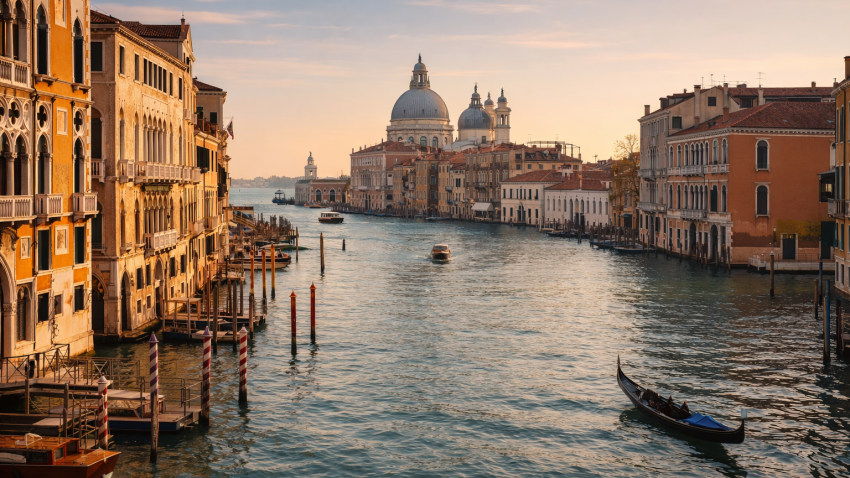
If you were going to Italy, for example, and you only had two weeks, that would mean seeing as much as possible in those two weeks for a lot of people. You’d be hitting all the tourist sites, dining at all the restaurants you could, and maybe even rushing around from one city to another so you could “see it all” in the time you had.
However, “seeing it all” doesn’t actually mean “seeing it all.” Not in depth, at least. Often, it means catching a glimpse of a landmark, taking a quick photo, and rushing off to the next place. When you’re in the workforce, a lot of vacations amount to checking off boxes because you want to see all the highlights in the time you have.
This all makes sense to people who have limited time to travel. You don’t want to fly halfway around the world and miss out on the great attractions and destinations. When your situation changes, such as when you retire, you’re able to travel differently. You’ll be able to start exploring the world in more detail. You’ll be able to experience slow travel.
What Does “Slow Travel” Mean?
Slow travel means what it sounds like it means: taking your time while traveling. It refers to staying longer in one place and “getting lost” in one or two areas, instead of rushing around trying to see everything.
Different people have different ideas of slow travel, of course. For some people, it means visiting a country and only seeing one city or region, rather than trying to hit all the major ones.
For other people, it means avoiding the hotspots and the tourist attractions and instead taking your time to engage with the area and its culture. Sometimes this means visiting areas that are a bit more out of the way or just places that are away from the hustle and bustle. That might mean wandering around in a quiet residential neighborhood, for example, or spending the morning reading a book in a café, instead of jumping from place to place.
When you don’t have a schedule, you’re able to enjoy your time and see where the day takes you. This can be incredibly enjoyable and there are so many benefits to exploring the world this way.
The Benefits of Traveling Slowly
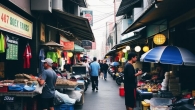
Traveling slowly is a very different experience that typical travel. When you have more time in an area and less of a schedule, you do things differently. Maybe you just go for a walk without a destination in mind. While you’re on that walk, you stumble upon a small market that sells the most delicious foods you’ve ever eaten. Then you turn a corner and find yourself at a street festival you didn’t even know existed. This is possible when you travel slowly and the spontaneity and ability to experience new things is one of the great benefits.
It’s Relaxing
Another reason to choose slow travel is because it’s less stressful and tiring. While it’s always enjoyable and refreshing to see somewhere new and while it can feel great to finally arrive at a landmark you’ve been dreaming of your entire life, traditional travel can also be very tiring. It can also be stressful. When you have a packed schedule, it becomes a matter of having perfect timing if you hope to get everything done. Even a small hiccup can cause you to miss a bus, for instance, and that will throw everything off. There’s a level of anxiety to having a busy schedule that doesn’t exist when you’re taking things slowly.
Slow travel often feels better. When you’re not always rushing and half-focused on your schedule, you’re able to truly take in the moments you’re a part of. Your body is better able to enjoy itself and your mind can retain memories easier when you’re relaxed and at ease.
You’ll Save Money
You might think that slow travel is expensive, which is an understandable thought. After all, spending more time in an area should cost more money, right? The reality is that it’s often less expensive than traditional travel. There are a few reasons why. The first is that many hotels or vacation rentals become less expensive when you stay for longer. For instance, it might cost $100/night to stay somewhere for 5 days, but only $1000 total to stay there for 20 days. This is more money overall, but less money per day. Staying in one or two places for a longer period is also less expensive than moving around because of travel costs. If you’re flying, taking a train, or even driving for a long distance between stops, these costs add up. That’s how seeing four cities in four weeks becomes more expensive than staying in the same place the entire time.
A longer stay also helps you save money on food. If you’re only going to be in a place for a few days, you probably won’t buy too many groceries or try to cook much at all, especially if you’re out and about running around for most of the day. If you’re living in the same place for weeks, it often makes more sense to buy food and cook some meals yourself. This saves you money and lets you experience what it’s like to be a local.
There are Chances to Connect with Others
Perhaps the biggest positive to exploring the world slowly is the connections you’ll make. Even small connections, like running into the same people at the coffee shop every day, can be truly meaningful. There’s also a good chance that you form stronger bonds with other travelers or even locals while you’re on your trip. There are so many proven benefits to expanding your social circle and making connections with others.
You’ll also get to better connect with the culture of the area you’re in. Rather than deciding what to see because of recommendations made by a guidebook or an app, you’ll talk to a waiter and ask them where you should go tonight or run into someone at the market who will tell you about a beautiful street nearby. It’s a more human-centered way to travel and it’s possible when you’re retired and don’t have to live on someone else’s schedule.