
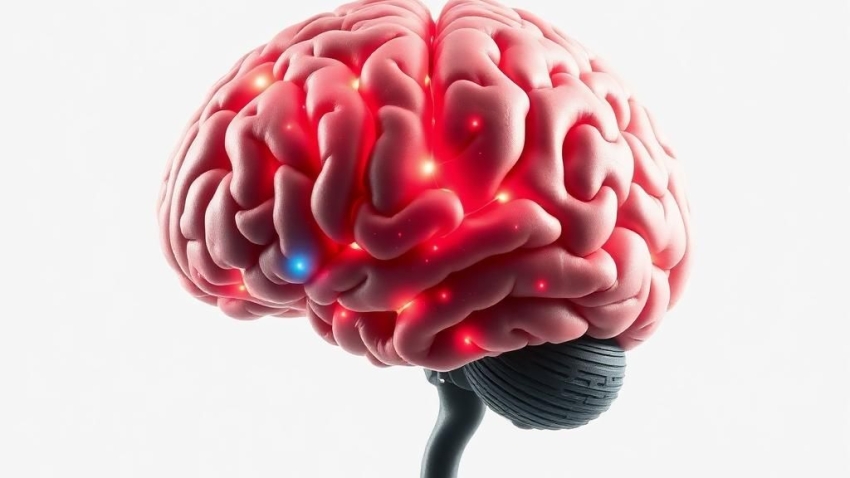
Brain Training for Retirees
Did you know that your brain needs exercise? It’s not a muscle, but that doesn’t mean that it can’t benefit from regular workouts. In fact, giving your brain frequent activity and challenges can help it stay sharp and prevent against cognitive decline.
As retirees age, keeping your brain fit is important.
To understand how brain training works, it’s important to understand the concept of having cognitive reserve. Your cognitive reserve is your brain’s ability to improvise and resist decline. Think of it as how resilient your brain is. Brains that are more resilient (the ones that have greater cognitive reserve) are better able to cope with damage and to find alternate ways to get things done, which is crucial for problem solving.
A stronger cognitive reserve allows you to fend off degenerative brain changes such as dementia and better deal with stressful events. One of the ways to improve your brain’s cognitive reserve is to challenge your brain. There are many brain training exercises you can do to achieve this.
Crosswords
Crossword puzzles help stimulate language skills by causing you to interpret clues and search for suitable answers given the space provided. They also help you practice spelling, which stimulates a different brain region. Combined, you get a puzzle that perfect for brain training.
Sudoku Puzzles
Sudoku number puzzles can also help your brain stay sharp. They help you improve brain function and concentration while also improving reasoning and problem solving. Plus, completing puzzles like sudoku and other number problems helps improve your focus and strengthen your ability to sit and focus on the task at hand.
Word Searches
Completing word searches can also help improve cognitive skills. They are great for enhancing your vocabulary and improving spelling, which are both great for your brain. They have also been found to be beneficial for stress relief, which is important because high stress levels can negatively affect your brain.
Card Games
There are many card games you can play that are great for your brain. Not only do card games challenge you to anticipate future moves, potentially add or subtract numbers, or attempt to judge odds, but these games are also social activities. Socializing has been found to help boost your brain while also improving your mood. So, find a game you like and call some friends!
Chess
Chess is an intellectually simulating game that often requires you to think several moves ahead, consider potential outcomes, search for patterns, and adapt to changing situations. This makes it an excellent brain training activity. Plus, just like card games, it comes with the added benefit of socialization.
Niche Brain Training
Niche brain training exercises are designed to help address unique needs. While other training helps to improve overall brain function, niche training problems develop particular skills.
Memory Games
There are several brain training exercises that are specifically targeted to improving memory. One example is visualization games. These can start with simple tasks. For instance, before you go grocery shopping, make a list and then visualize where every item in the store is. These tactics can help you better organize information and improve your memory.
Logical Sequencing
This is the process of arranging information in a coherent order and recognizing patterns. One excellent way to train this aspect of your brain is through logic puzzles. In these puzzles, you aim to match items to different categories based on a set of clues. This is commonly done with a grid to keep track of the possibilities. You can find these problems online or in book dedicated to brain training.
Speech and Language
Improving language skills can help keep your brain sharp and active. This can be done in many ways. For instance, read an article or a book, then write out a summary of what you’ve read. Recite poems or song lyrics and try to commit them to memory. This helps enhance your comprehension and improve your language and memory skills.
Why Do Brain Training?
Your retirement years are meant to be your time to finally benefit from a life of hard work. However, by the time many people are old enough to retire, they are also at increased risk of health problems such as memory loss or cognitive decline. While everyone forgets things now and then, there’s a difference between brief memory lapses and more serious problems.
Challenging your brain with brain training exercises is an excellent way to improve your cognitive reserve while also enjoying yourself.
By complete brain training exercises and keeping your brain active, you’ll be able to improve your long-term memory and better cope with the challenges of aging. This will allow you to enjoy life more, get more out of your activities, have stronger and more rewarding social relationships, and improve your quality of life.