
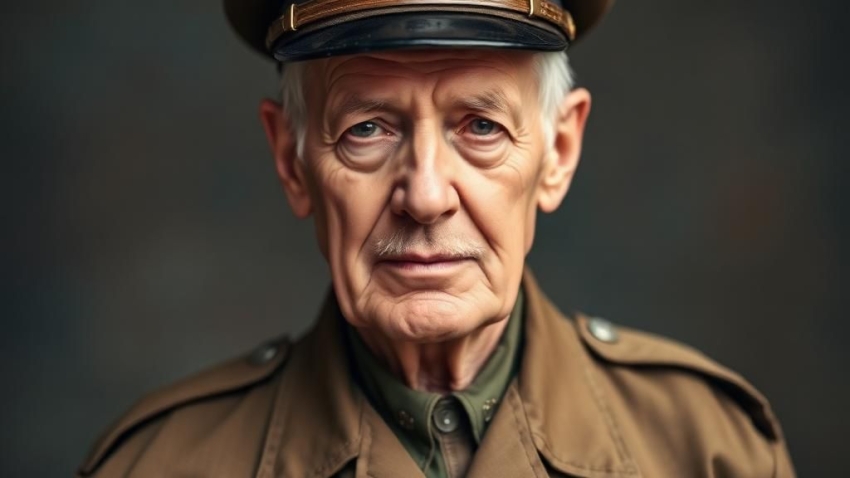
Military Life In Retirement
A lot of people have trouble moving from their careers into post-work life. There’s less routine, less responsibility, and often less sense of identity and purpose. This is true for many jobs, but these differences are even more pronounced in retirement life.
Military life provides a very structured environment, even more than most jobs. It also provides a strong sense of identity and responsibility. You have a clear purpose, a clear goal, and a very concrete way to define yourself. The military also offers a very clear framework for career advancement. You generally have a very direct and obvious route to take through your career and this lasts for many years.
It can be incredibly tough to leave this very structured environment and move into civilian retirement. When you’re out of the very outlined and identified military and into the freeform world, this can lead to feelings of uncertainty and confusion. It can even be overwhelming.
That’s the main reason why many retiring military members have difficulty stepping away from their work. However, there are many things you can do to make the transition easier.
Create Your Own Schedule
A hallmark of the military is the prompt and consistent schedule. There’s no “waiting around until you’re ready” or “getting up when you feel like it.” In a lot of cases, this structure keeps you productive and motivated.
When you retired, everything seems to change. While you don’t necessarily have to follow a schedule in retirement, it certainly helps if you do. Yes, you can be a bit more flexible with when you wake up and when you go to sleep now that you’re no longer working, but adding some consistency and stability in your life is important.
Plus, it also helps you feel like you are living a productive life. Setting a schedule for your day, even a general one, makes it more likely that you will get things done and that leaves you feeling positive, accomplished, and happy.
Finding Your Purpose
Another strong benefit of miliary culture is the feeling of purpose. You know your role in the military, what you are expected to contribute, why these contributions matter, and how they make up a part of a larger goal.
Having a purpose is another reason for making a schedule. When you plan out your days, it becomes less about just going through the motions and more about achieving things. However, what should you achieve?
It isn’t as clear in a military retirement as it was during military life. That doesn’t mean that you can’t find purpose, though.
It just means that you may have to look elsewhere to find it. There is more to you than your career, even if that career was something as meaningful as military service. Retirement is the time to discover new hobbies and passions or to return to older ones. Spend some time thinking about the things that interest you and the things you care about. Inspiration can come from anywhere, including the shows you watch, the books you like, or the hobbies you enjoy. Write them all down and look for connections. Then think of ways that you can turn these topics into passions.
For instance, if you like books, you could volunteer at a library or dedicate time to read to children or the elderly. If you like art, why not take up painting? If you enjoy adventure, think about hiking or biking or traveling. These passions can give your life purpose.
Connecting with Others
Another big benefit of military service is that you form strong relationships with others. You’re all working alongside one another trying to achieve your goals and that creates lasting bonds. These bonds are often as close as family.
When you retire, the situation changes. This is especially true if the people you have forged the strongest bonds with are still working. Even if you try to keep the friendship going after you retire, your changing circumstances will change the situation, and the relationship will be different. That’s okay. This happens when most people retire. The retiree leaves work behind and that makes it tough to socialize with those who are still living it day-to-day. However, by putting in some effort to bond over new things and share new passions, you can maintain friendships even during retirement.
It’s also helpful to realize that you can form new friendships in your retirement career. When you’re engaging in your passions, you’ll likely meet new people who care about the same things you do. This can be a great way to start new friendships!