
Could Your Hobby Be a Side Hustle?
One of the best parts of retirement is that it allows you to embrace your hobbies. While you were working, it was probably difficult to find time to restore antique furniture, breed rare tropical fish, or whatever hobbies you have. Once you stop working full time, you suddenly have a huge opportunity in front of you. This opportunity is time.
Work takes a lot out of you. Not just the physical hours that you spend on the job, but the time that you spend commuting, preparing for work, thinking about work, and resting after work. It’s not uncommon for a job to take up almost all your free time, especially if you’re in a very demanding career.
Retirement gives you the hours in the day (and the space in your brain) to focus on your passions.
Of course, one of the potential difficulties in retirement is dealing with the financial aspects. When you’re working, you have money coming in regularly. You can count on this. Retirement is slightly different. Even if you have savings, it may not necessarily be enough to live the lifestyle you want. That said, even in situations where you have the money to support your lifestyle, it wouldn’t hurt to have more, right? That’s especially true if you can make some money doing something you truly enjoy.
This is why a lot of retirees turn their hobbies into side hustles.
The Economics of Making Extra Retirement Income from a Hobby
Many hobbies cost money. If you do woodworking, for example, you have to spend money on tools and supplies. The same is true for painting, furniture restoration, and a wide variety of other hobbies. These costs can add up, and they may not make financial sense for you. However, if you’re able to generate some income from your hobby, that changes the equation.
If you’re at this point with your hobby, you’ll want to start by looking at the economics of the situation. How much do you expect to earn from your hobby? Are you trying to offset some of the costs of it or are you trying to make a profitable business that gets you some side income? There’s a big difference between those two paths. Not sure which way you want to go? A good way to figure this out is to look at the existing market to see what you could earn.
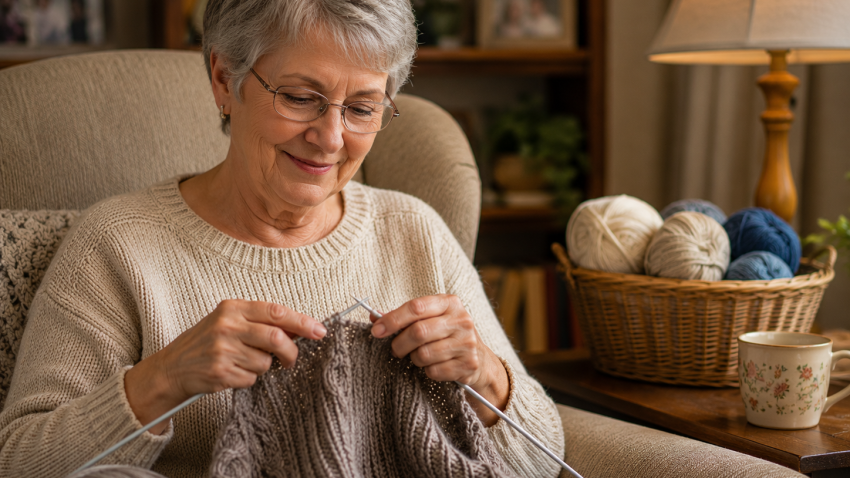
For example, if you knit beautiful sweaters, look around at craft fairs, specialty stores, and online marketplaces and see what other sweaters are selling for. Then compare the that others are making with how much your hobby is costing you. If most comparable items sell for $60 and you’re spending $60 on materials, it may not be possible for you to make a big profit. That’s not saying you shouldn’t try it, it’s just saying that perhaps your goals should change.
Another factor to look at is if it’s possible for you to scale up. For example, say you’re great at making dips and sauces. Typically making a jar of sauce requires $5 in ingredients. You’ve looked around online and found that homemade sauces usually sell for $10 a jar. This could be an income opportunity. However, how many jars of sauce can you realistically make? How much more money would you need to spend to make a significant income?

I’m at least 18 years old, have read and agree to the terms, rules and privacy policy & agree to receive RetireWhiz email.
The amount you’ll need to put into your hobby to make it a business also changes the equation. It’s one thing if you’re spending $50 a month on your personal hobby, but what about when you start spending $500 or more to make it a business? Is this an expense that makes sense to you? Are you willing to spend that much (or more) up front with no guarantee that you’ll make it back? You should be careful that you don’t spend more than you can afford to potentially lose.
You’ll also want to consider the other costs associated with turning your hobby into a business. For instance, you may need to advertise your business. There are free ways to do this, such as word of mouth or posting listing online or on social media. However, if you want to rent a booth at a craft fair or antique market, for example, this will cost money. You’ll have to factor this into your calculations.
It’s also important to start slow. Yes, to scale up your business and make it incredibly profitable may require thousands of dollars in initial investment, but you don’t need to do that all at once. Many retirees who try to monetize their side hustle get wrapped up in immediately buying every tool and piece of gear associated with their new hobby all at once. It’s good if the prospect of scaling up your hobby excites you, but you shouldn’t feel pressured to do everything at once.
There may be tax implications with profiting from your side business. This probably isn’t something you’ll need to worry about if you’re just making a small amount of inconsistent income here and there, but if you’re operating your hobby as a true business, the IRS will want to know about it. That doesn’t just mean potentially paying some taxes, either. It might also mean more paperwork to fill out, so keep that in mind.
Other Things to Watch Out For
In addition to the economics of the situation, there are also other things you’ll want to keep in mind if you’re hoping to make some money off of repairing vintage watches, craft handmade jewelry, or any other hobby.
The first is how much work you want to put into it. You spent years at your job, likely working long days. Do you want your hobby to take up the same amount of time? Some people do. They want a to dedicate their retirement years to building something for themselves and turning their passion into a business. Some people see retirement as an opportunity to finally have the job they’ve always wanted.
However, others want to spend more time relaxing, traveling, or socializing with friends and family. There is no right or wrong answer, but the time component of turning a hobby into a business is something that you’ll want to think about.
You’ll also want to think about the other aspects of making a hobby into a business. For instance, instead of just spending time on your hobby, you’ll now also have to engage with customers, pay attention to invoices and documentation, and handle several other business aspects that are outside of the actual hobby itself. Again, this may be something you’ll enjoy, but it’s worth thinking about before you get started.
One of the most important things to consider is how trying to monetize your hobby may affect your enjoyment of it. A lot of the time, the reasons are hobbies are enjoyable is because we’re doing them purely for personal fulfillment. Things change when you go from gardening to relax to gardening to make a profit, for instance. Not only could the amount of time you spend on the hobby increase, but so could some of the decisions to make.
With gardening, for example, you may change from planting whatever flowers you personally love to raising the plants that you think will have the highest profit margin. The same can be true for most hobbies. Your music may change to fit a certain audience, for example, or your art may shift to focus on the preferences of a larger group of people. This can be fine and you can still enjoy your hobby just as much, but it’s something to be aware of.