Retiree-Friendly Low-Impact Sports
There are so many good reasons to stay active in retirement. It’s good for your body, your brain, your social life, and it can be just plain fun. Of course, by the time you hit retirement age, you no longer have the body you did in your 20s. For a lot of people, that means slowing down. After all, you don’t want to hurt your knees and be out of commission for a week or wake up every morning with an aching back, right?
However, “slowing down” doesn’t have to mean boring or dull. Just because you’re retired, it doesn’t mean you need to dedicate your days to playing bingo or bridge (unless you want to, of course). It definitely doesn’t mean you have to give up sports entirely. There are so many low-impact sports out there and many of them are surprisingly competitive! If you have an athletic streak in you (and, even if you don’t, to be honest), there are a wide variety of way to have a great time playing dynamic, exciting sports, all without putting undue stress on your body.
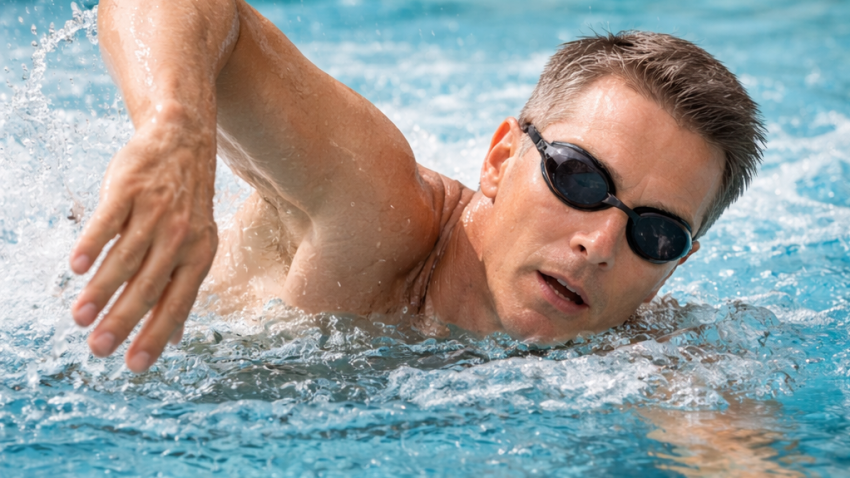
Swimming
There’s so many good reasons to swim. The water supports your body, so your joints don’t take a beating. It also works out your entire body, helping to tone your muscles, increase your flexibility, and improve cardiovascular health all at the same time.
Another bonus is that it can be as competitive as you want it to be. Feel like swimming some leisurely laps? That’s totally possible. Want to push yourself and really get in a workout? That’s an option too!
Golf
Golf is a retiree classic for a reason. Since there’s no running or jumping, it saves your knees while still helping improve flexibility, range of motion, and blood circulation. Golf can reduce stress, improve your balance, and even help you live longer! There are studies that show golfers may live an average of five years longer than non-golfers!
You also get the social benefits of being in a group and engaging with others. Anyone who has ever golfed before can tell you how competitive it can get if that’s what you’re looking for!
For added physical activity, consider forgoing the cart and walking the course instead, if it’s possible for you. This certainly adds a new element to your day as walking an entire 18-hole course will see you walk up to five miles! If this seems a bit much, that’s understandable. Getting in and out of the cart, walking to the ball, and generally just moving around the course is also great physical activity.
Pickleball
Pickleball moved from “brand new craze” to “popular sensation” to “one of the best sports for seniors” so quickly, but there’s a good reason. If you’re not familiar with the sport, it’s somewhat of a hybrid of ping-pong, badminton, and tennis. The court is smaller than a tennis court, the ball is a softer plastic, and the paddles are larger than in ping-pong.
Since the court is smaller, there’s less running than in traditional tennis, which is great for your joints. However, it still provides a great cardio workout, which can help lower your blood pressure and improve cholesterol levels.
As a sport that’s newer in popularity, it’s very welcoming to people of all ages and skill levels. You don’t have to be a master to play or to have a good time.
Plus, it’s a social game. Pickleball can be played with two or four players, making it idea for couples or groups. Time spent socializing is great for your state of mind and you can always choose to play with people who make the game as competitive as you’d like.
Shuffleboard
Shuffleboard is another retiree classic that remains popular for good reason. It helps you maintain good hand-eye coordination, improves your motor skills, and keeps your reflexes sharp. It’s also great for your joints, since it doesn’t require harsh impact, but you still need to move around, shift your weight, and activate your muscles.
Bowling or Lawn Bowling
Both lane bowling and lawn bowling are perfect exercises for retirees. They involve walking without being high impact, require balance, endurance, and some strength to complete, and involve strategy, which makes them an excellent way to maintain mental sharpness.
Bocce is another similar sport, where people aim to place balls closest to a target. Lawn bowling balls are weighted on one side, so they curve as they roll. Bocce balls are perfectly round. Bocce is often played on a smaller court made of dirt or sand, while lawn bowling happens on a larger flat lawn.
Table Tennis
This is an excellent sport if you want to improve your hand-eye coordination, reflexes, and cognitive function. The sport moves fast, so it’s a perfect way to enhance your alertness while also boosting your physical speed.
Since it’s low impact, you don’t need to worry much about hurting your joints, but you can still get a really good cardiovascular workout. It’s great for improving circulation and it can certainly get your blood pumping and your heart rate up, which is key for overall physical health.
Cycling
You might not think of cycling when you think of sports, but it’s a good idea to consider it. Since you’re seated and using pedals, it doesn’t put significant stress on your joints, which makes it an ideal sport for those with arthritis or other mobility issues,
Cycling is excellent for cardiovascular fitness and helps improve muscle tone, balance, and coordination. It has also been shown to boost higher immune function.
Like many other exercises, regular cycling can increase blood flow to the brain, which improves memory, cognitive function, and mood.
Why You Should Participate in Low-Impact Sports in Retirement
Staying active is important throughout your entire life, but it’s especially crucial in retirement. Moving your body and staying physically and mentally fit can help you maintain a healthy body weight, reduce your risk of certain illnesses and diseases, and boost your emotional well-being.
When many people retire, they lose a lot of the physical and social aspects of their lives. They’re no longer running around trying to get to work on time, getting up from their desk throughout the day to perform tasks, or negotiating interpersonal relationships since they’re not at work. If you’re not careful, it’s easy to slip into a retirement where you drastically reduce the amount of physical activity you engage in, to the point of it hurting your health.
Finding the right low-impact sports to participate in changes this. Regular physical activity, especially sports that get your heart pumping and your lungs working, help keep your body strong and reduce your risk of stroke, heart attacks, and type 2 diabetes.
Physical sports also improve balance, stability, and range of motion, which is very important as you age. Some of the biggest difficulties seniors struggle with involve mobility. Life gets a lot tougher when moving around becomes a chore or a pain. By strengthening your body and your balance, you’ll be able to maintain independence for longer and have a better life doing the things you enjoy.
At the same time, low-impact sports are great for anyone who is dealing with conditions like arthritis and osteoarthritis. Everyone has aches and pains, especially as they get older, so finding a sport that challenges you physically and mentally while also protecting your knees, hips, and back is a huge win.
There are also serious mental health benefits to sports. They help reduce stress and anxiety and can even lower your risk of depression or mental decline. That’s because physical activity gets more blood pumping to your brain. It also releases endorphins in your body, which act as natural painkillers and mood boosters.
You also get great social benefits from participating in sports, which is so important to combat loneliness and isolation, which are unfortunately still common in retirees.