
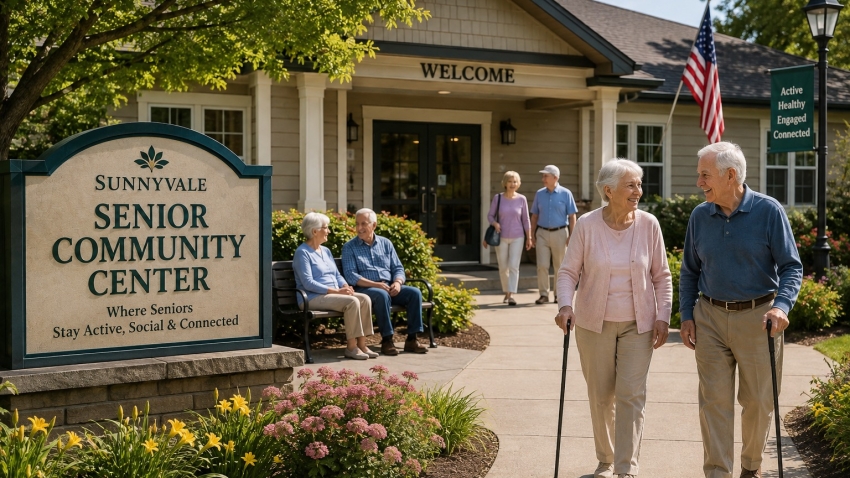
Seniors’ Communities and Co-Housing Spaces
Retirement doesn’t just mean that you stop working. For a lot of people, it’s also a pretty significant lifestyle change. Once you’re no longer in the workforce, you have the freedom to change your life as you see fit. You don’t have to live near your workplace, for example, and commuting distance will no longer matter to you. That opens up a lot of opportunities to live elsewhere.
Your life has also likely changed in other ways. For instance, your children are now adults, and they probably have homes and children of their own. This means you may not need to keep the family home any longer as holidays and other gatherings might be happening in various different spots.
At the same time, you’re getting older and your health is changing. While you may still be active and able to live an active lifestyle, that could change in the future. Plus, you may not have the energy, strength, or desire to do all the home maintenance yourself any longer.
In addition, many retirees find themselves looking for new experiences and new social connections. All of these reasons are a big part of why retiring into a co-housing environment is becoming more and more popular.
What is Retirement Co-Housing?
Retirement co-housing options are communities made up of retirees who want to coexist, support each other, and live life alongside one another. These properties typically involve each person living in a private home but sharing common spaces.
The common spaces vary depending on the community. In some cases, the individual units do not have their own kitchen, for example. Instead, the community prepares meals in a communal kitchen together. In other communities, there are communal gardens, theatres, sports facilities, and other such assets.
It isn’t just about the physical spaces, either. It’s also about the mentality. Those who live in co-housing communities do so because they want to share their lives with others. They don’t want to age isolated from the world. Instead, they want to get together with other people and build a life that benefits them. They want to share responsibilities, help each other, and activity participate in running the property and building the community.
This is a different lifestyle from someone living in a private home. If you’re living in a neighborhood, you may have some community activities. If you’re living in a condominium, you may have some shared amenities and decisions to make regarding how the property is managed. However, these tend not be on the same level as in a retirement co-housing scenario.
Of course, you’ll still have your own privacy and separate space in a co-housing situation. Each person is responsible for their own space and you’ll always have somewhere to do that is just yours. It’s important to have a good mix of
What Are the Benefits?
There are a lot of significant benefits when it comes to living in a shared environment. The first is being around a caring and supportive community. There are so many benefits to forming social connections, especially as you age. Many seniors find themselves living in increasingly isolated worlds once they stop working, which negatively affects your mental health and even your cognitive ability. By moving into a co-housing situation, you’ll have frequent interaction with peers and many opportunities for socialization.
There is also the fact that a shared community often also means shared costs. Life can be very expensive, especially as a retired person. In a community living environment, costs such as utilities and property maintenance are shared by the entire community. This can reduce the individual amount you’ll be expected to spend.
When you’re living in a collaborative environment, people are more apt to help one another out. This can be incredibly beneficial as you age. For example, if you’re unable to carry something heavy into your home, someone else will probably be willing to help you. If you’re talented with computers, maybe you’ll help them the next time they need assistance. This sort of assistance and communal spirit help make life easier and more enjoyable.
The design of the properties also has benefits. Most communal retirement neighborhoods are built with community in mind. This doesn’t just mean shared spaces where you can engage with others, but it often means buildings that are located close to one another. This means you’ll be more likely to walk between buildings and spend more time outside with the rest of the community. When you compare these homes to large suburban homes, there’s a significant difference. You won’t spend all your days in a vehicle and instead you’ll get more exercise and enjoy the outdoors more.
Dealing with Potential Challenges
Of course, just like with any other living situation, there are potential challenges that may arise in a co-housing situation. One may be the overall loss of privacy. While you will always have your own space, you’ll also be living in close proximity to others. This can mean that you’ll have no choice to interact with others even if you are feeling up to it. It can also mean that private matters may become community knowledge, even if you don’t wish for this.
There can also be tension and even conflict. This is natural whenever you are sharing your life with others, even if you are with people who you like and generally agree with. This can happen for social or cultural reasons, or you may just have days when you’re more easily annoyed by others. Whatever the reason, following good conflict resolution strategies can be incredibly beneficial.
Setting clear guidelines is important. Many disagreements are caused by things like noise, cleanliness, or access to shared facilities. For instance, one person may get annoyed by someone else never cleaning the kitchen, or another may feel like their neighbor is “hogging” a shared facility. By setting community rules and following them, everyone will know what is expected from them and disagreements will be less common.
When they do happen, it’s important that each person involved gets to calmly share their experiences and their feelings without being interrupted. This can help everyone see all sides of the issue and better resolve the problem. There could even be a specific group of residents who are tasked with fairly resolving tough arguments.
How to Start or Join One
If you’re looking to join an existing retirement co-housing community, there are directories available online and through dedicated organizations. You can find ones that meet your needs and contact them to discuss the environment. In these properties, it’s about more than just buying into a unit. Since you’ll be fitting into an existing community, there will likely be interviews and lifestyle discussions as well, all aimed at making sure you fit into the community, and the community meets your needs.
The process of starting your own co-housing community can be a lengthy one. A good place to start is by gathering a group of likeminded individuals and creating a plan together. This will involve finding an acceptable location, but it also means establishing rules for the community, calculating expenses and how they will be paid, and working with advisors and other professionals to establish the community.
Whether you’re moving into an existing one or starting something new, the financial structure of the cooperative is crucial. It needs to be designed to be resilient, handle the needs of the community, and prepare for future maintenance and upgrades. Starting from a strong financial base will set the co-housing community on the right path for years to come.